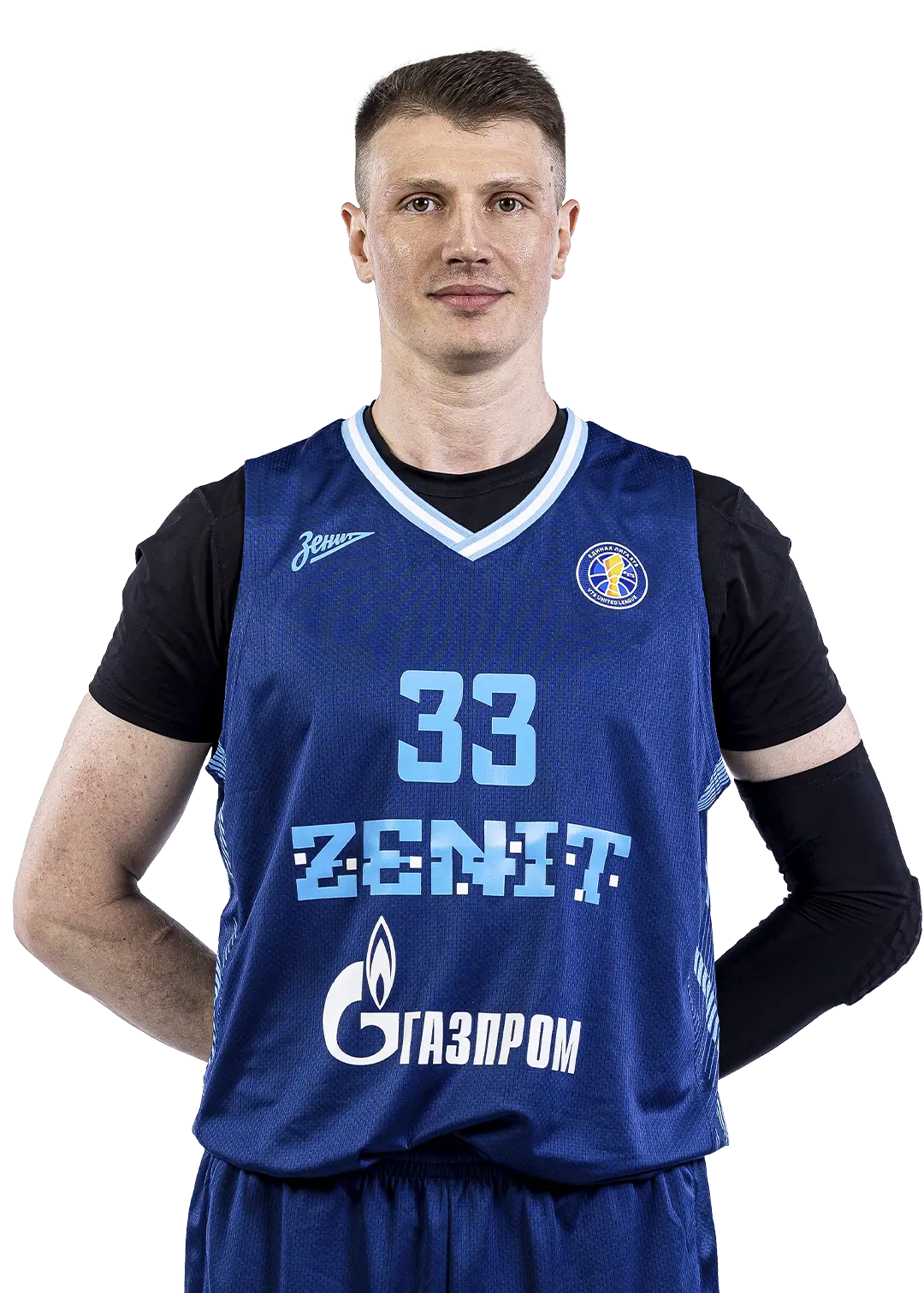








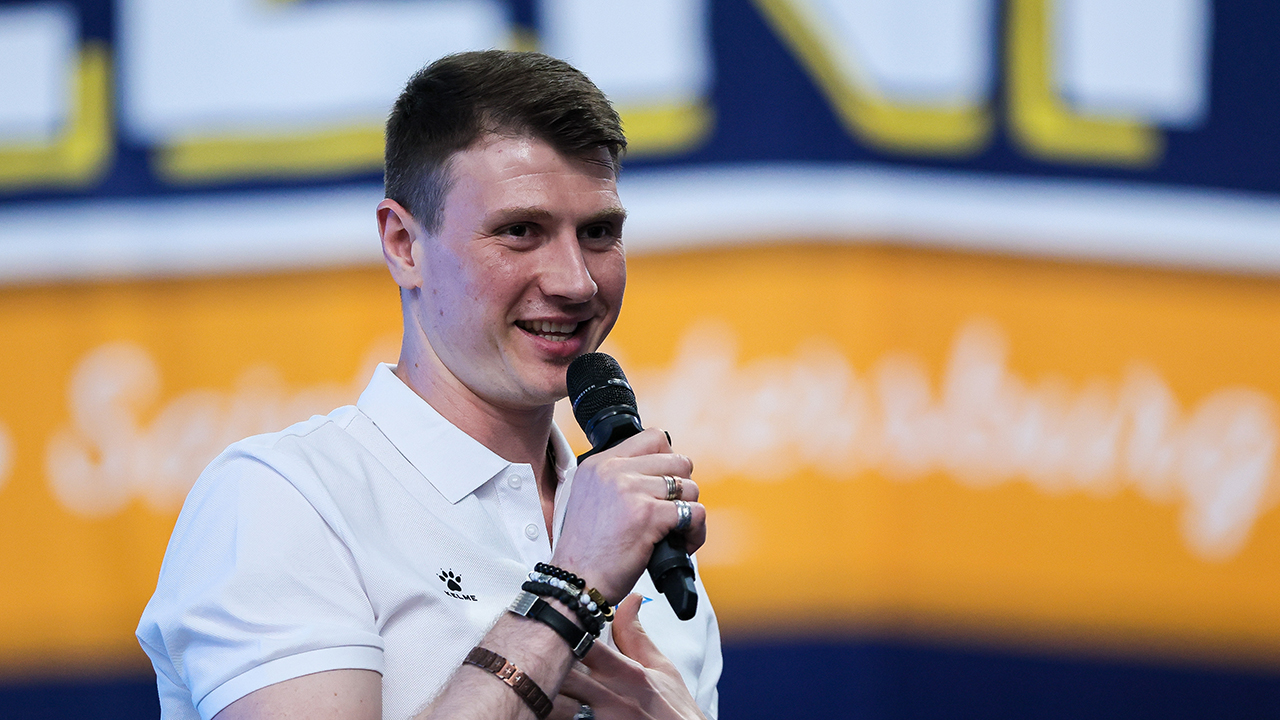
Andrey Vorontsevich: "Love, work, and be grateful — then everything will work out"
Zenit forward Andrey Vorontsevich reflected on the past season, spoke about how he deals with setbacks, and shared his thoughts on a possible coaching career. Read the full interview below.
— Andrey, this season was full of changes and difficult challenges. Looking back with all your experience, how would you assess it?
— This season had a bit of everything, and we came very close. Experience tells me that you have to learn from everything negative or that didn’t go the way you wanted. You have to take an honest look at yourself in the mirror and ask, "What do I need to improve to become a better version of myself?" When each of us improves in some way, we also make the team stronger.
It is what it is. Of course, it’s okay to be disappointed, but it’s important not to dwell on it for too long, otherwise it can really bring you down. The most important thing is that most of us made it through to the end of the season healthy. It was one of the longest and toughest seasons, and naturally we wanted to reach the final — we were capable of reaching it. But there’s no such thing as "what if" when it comes to the past, so we accept the outcome as it is.
And I’ll say it again: don’t lose heart. Keep improving and keep working. The most important thing is that we still have something to strive for. There’s certainly no room for complacency because we didn’t achieve the result we wanted. We need to spend the summer preparing so that next season we’ll be much better — at the very least stronger and more consistent in the decisions we make.
— What helps you recover from setbacks and keep moving forward?
— Above all, faith that better days are ahead. When the results aren’t coming, as they say, don’t change your goal — change the way you pursue it. My personal motivation is simple: I love basketball, and to me it’s like music. Just like musicians, we constantly refine our craft. I believe there’s no limit to that process. What makes me happy is that I still have the passion, the desire, and that feeling that there’s still more left to say.
— This was your second season with Zenit, and for the second year in a row you played in every official game. We’ll ask you the same question we did last year: what’s the secret?
— Love. That’s the secret. Love gives you wings and gives you the strength to become better and stronger — both mentally and physically. But I think it all starts with your mindset: what you understand, what you accept, and what you’re grateful for. When those three things are in balance, everything will work out. So love, work, and be grateful.
— During the season, TV cameras caught several moments when you took the initiative during timeouts. Be honest — are you already starting to feel drawn toward coaching? Do you see that in your future?
— Different thoughts come and go, and people say different things. But right now I’m not seriously thinking about coaching. I think I’ve always been this way — I’ve always tried to help my teammates and offer advice. With experience, though, I’ve realized that not everyone needs to be told something or have things explained. The people who are willing to listen are the ones you should talk to. And most of the time, I simply try to offer kind words and encouragement.
Thinking back to those timeouts, I wanted the guys to feel that everyone was behind them. If you’re on the bench, your job is to support your teammates emotionally and give them energy. If you’re on the court, then they’re the ones energizing you. So those words came from a genuine desire to win and to help the guys relax. Sometimes you can see that players want it so badly that they become tense and start making mistakes. Often I simply tell them, "Everything’s okay — just enjoy the game". And of course, you have to fight for every ball, capitalize on every mistake, and force your opponent into errors.
There’s a lot more to it, but the main message is this: guys, enjoy yourselves. We’re with you, and you’re with us. When we work as one unit, the result is completely different. But if everyone sits in their own corner thinking, "Am I playing or not?"—that doesn’t help. Even if you’re not on the court at that moment, support your teammate. Pat him on the shoulder and say, "Brother, it’s okay. Don’t worry. You’re doing fine. You turned the ball over? Forget it. Move on to the next play."
— What are your plans for the offseason?
— I’ll spend the summer in Moscow and the surrounding region. I’ll be training and staying close to home. My downtime will be spent with my children. There will be plenty of interesting things going on. I’m also thinking about stopping by Ivan Lazarev’s podcast — he’s been asking me for a long time.
So that’s the plan. If you need me, you know where to find me. Let’s talk! (smiles)